Living in Erie Colorado: Small-Town Vibe & Lifestyle
April 2, 2026
April 2, 2026
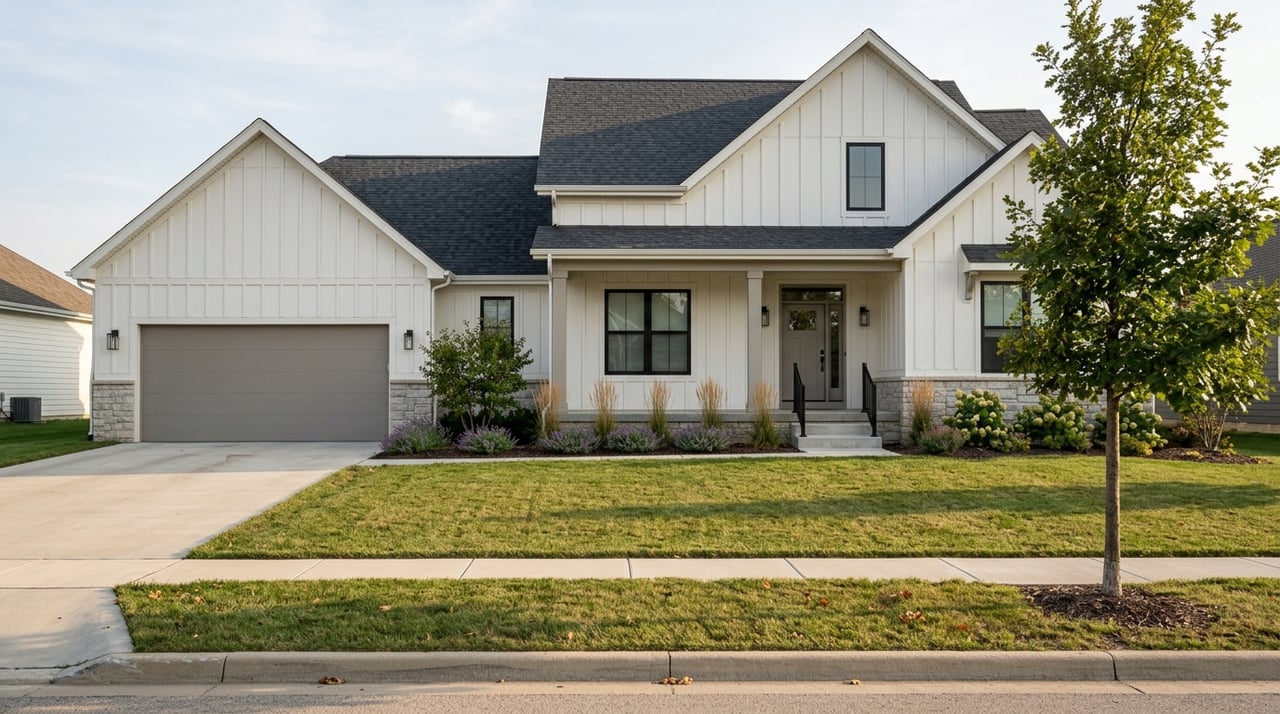
Thinking about a move to Erie? You are not alone. This fast-growing town offers a rare mix of historic character, newer neighborhoods, and easy Front Range access that appeals to many buyers who want more space without feeling too far from Boulder or Denver. If you are wondering what daily life actually feels like here, this guide will walk you through Erie’s vibe, location, amenities, housing patterns, and what to weigh before you buy. Let’s dive in.
Erie has a way of feeling both established and still in motion. According to the town’s 2025 Community Profile, Erie had 40,183 residents in 2024, spans 20.77 incorporated square miles, and includes 1,500 acres of parks and open space.
That balance matters when you are choosing a place to live. Erie was officially established in 1874, and Historic Old Town still plays an important role in how the community sees itself. You get a visible historic core along with newer growth around the edges, which helps explain why many people describe Erie as having a small-town feel with modern suburban convenience.
One of Erie’s biggest draws is where it sits on the map. The town is located in Boulder and Weld counties, just west of I-25, with access to Boulder, Denver, Denver International Airport, and other Front Range destinations through major regional corridors, according to the town’s transportation resources.
For many buyers, that location creates a practical middle ground. You can enjoy a quieter home base while still staying connected to major job centers and city amenities. If you work in Boulder or Denver, Erie often lands on the shortlist for exactly that reason.
Erie’s own materials describe it as largely a bedroom community. A mobility-plan appendix cited by the town says about 95% of employed Erie residents work outside town, many in Boulder and Denver.
That means commute planning should be part of your home search from the start. The lifestyle can be a great fit if you are comfortable with regional travel for work, errands, or entertainment. If you want to stay hyper-local for most of your day-to-day routine, that is something to think through carefully.
If you do not want to rely only on driving, Erie has several public transit connections. The town’s Transit Services page says:
For buyers comparing suburbs, that transit access can add flexibility. Even if you primarily drive, it is helpful to know there are backup options for commuting into Boulder or Denver.
If outdoor access matters to you, Erie has a strong case. The town reports more than 1,500 acres of open space, and its Open Space & Trails system is designed to connect neighborhoods, schools, parks, and activity centers.
That connected layout can shape your day-to-day life in a good way. It becomes easier to walk, bike, or spend time outside without needing to drive somewhere every time you want a change of scenery.
Erie offers a mix of neighborhood-friendly trails and more natural open-space areas. Some of the better-known outdoor spots highlighted by the town include:
For many buyers, this is a big part of Erie’s appeal. You can have newer housing and suburban infrastructure while still being close to trails, open views, and recreation.
Erie also has a strong lineup of active-use parks and indoor recreation options. Erie Community Park covers 49.3 acres and includes ballfields, a pumptrack, skate park, sledding hill, playgrounds, and walking trails.
Closer to downtown, Coal Creek Park offers Maddie’s Playground, a splash pad, an ice rink, and a café. The Erie Community Center, which opened in 2008, adds indoor amenities like a pool with a lazy river, hot tub, gym, racquetball courts, meeting rooms, and year-round programming. If you want a town where recreation is built into everyday life, Erie gives you a lot to work with.
A big reason Erie feels more personal than some newer suburbs is its downtown. The town’s planning materials continue to frame Historic Old Town as the heart of the community, and that center of gravity helps Erie feel grounded even as it grows.
You can see that identity in the town’s public spaces and community programming. Erie has invested in placemaking, public art, and walkable connections that reinforce downtown as more than just a commercial area.
Erie’s Existing Conditions Report notes that the Cultural Arts Division was created in 2023 and that the public art collection includes downtown sculptures and murals. In 2025, the Canary Loop added a 45-minute mixed-modality pedestrian loop through downtown, Coal Creek Park, and open space.
That canary theme is not random. It connects back to Erie’s coal-mining history, which is one more example of how the town ties current growth to its past. For buyers, that kind of place-based identity can make a community feel more memorable and lived-in.
Community events help define what living somewhere actually feels like. In Erie, recurring events add rhythm to the year and create reasons to spend time in local gathering spaces.
The town’s announcements highlight the Erie Farmers Market as a recurring Thursday-evening market in Historic Downtown Erie during the warmer months. Erie also hosts a long-running July 3 fireworks show at Erie Community Park, a tradition that continues into 2026 according to the town’s community event update.
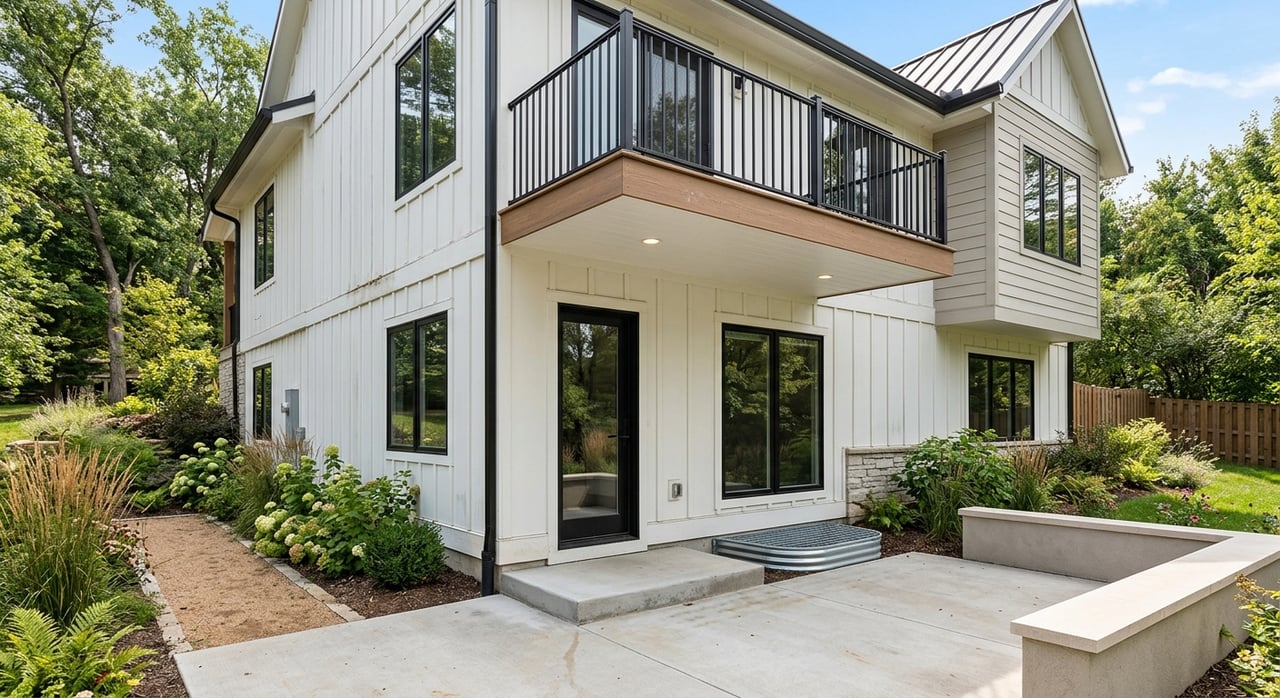
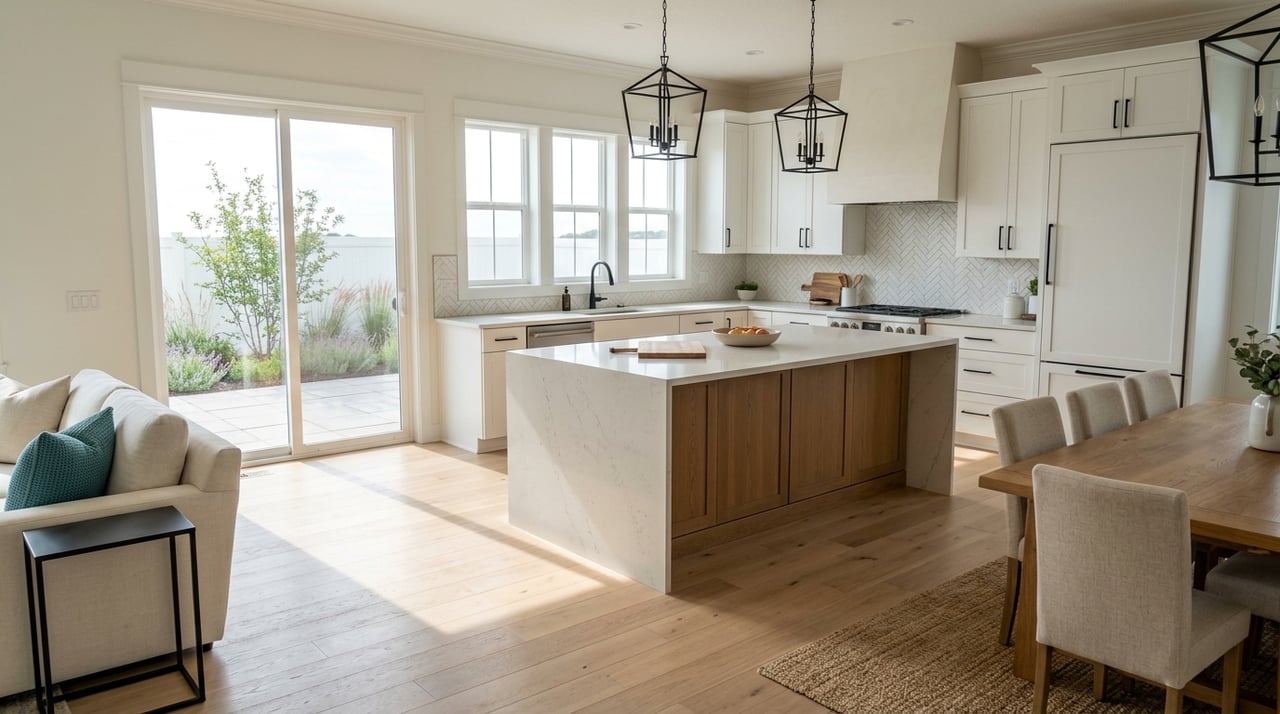
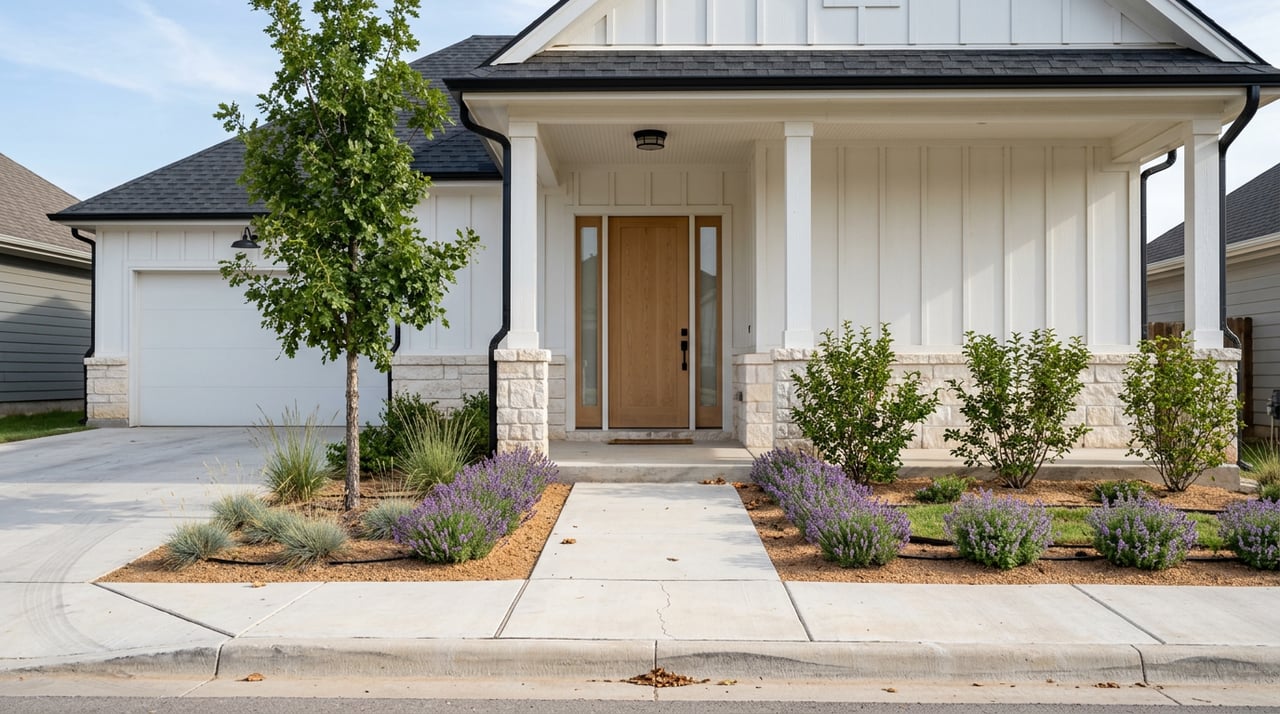
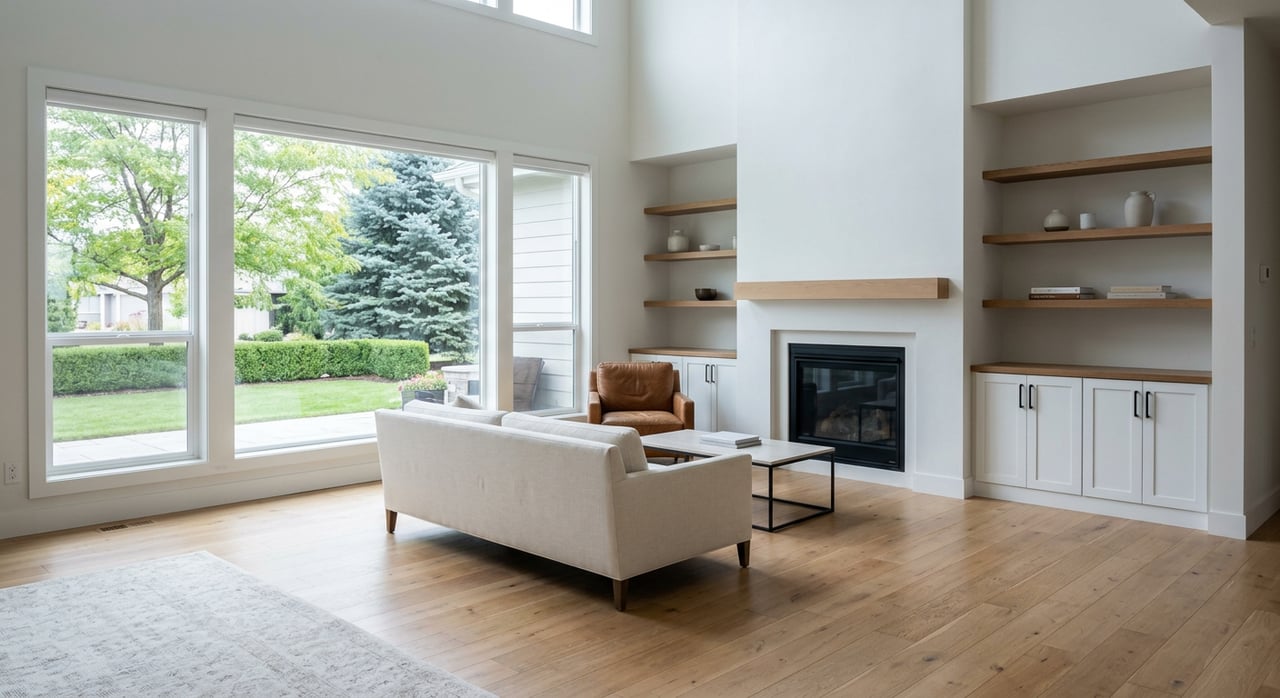
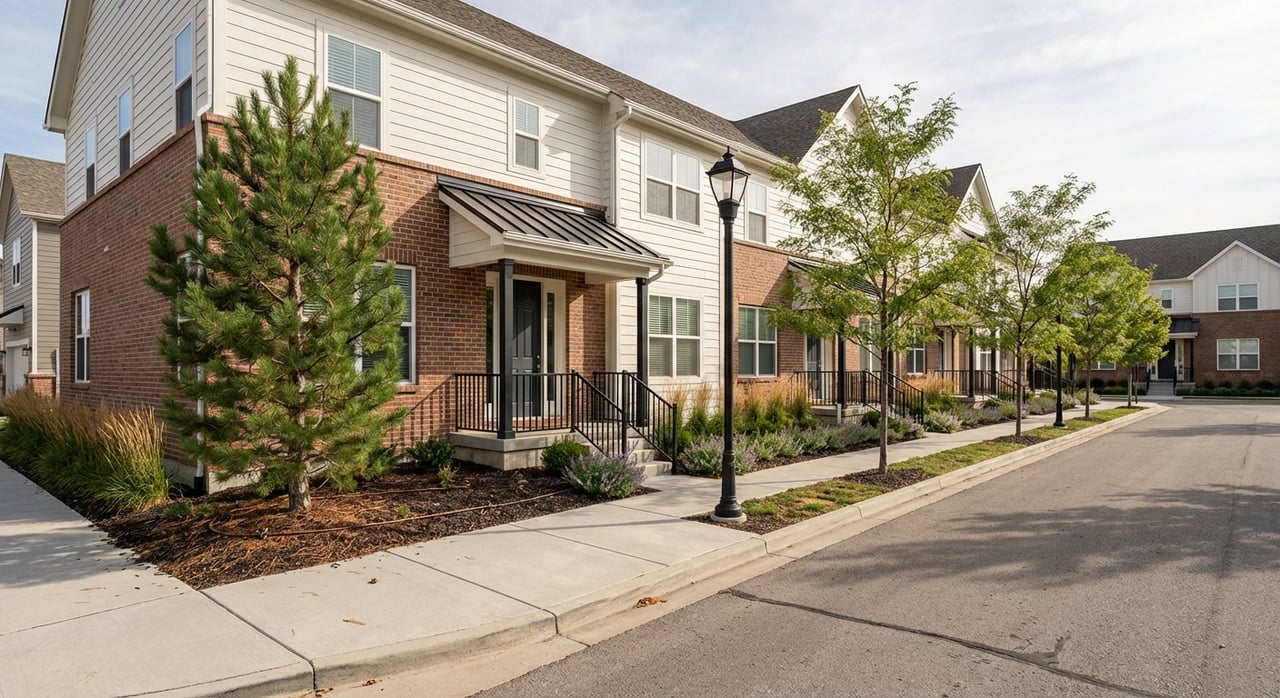
If you are shopping in Erie, one of the first things you will notice is that much of the housing growth is newer and often part of planned communities. The town’s HOA maintenance maps include neighborhoods such as Colliers Hill, Erie Highlands, Flatiron Meadows, Vista Ridge, Grandview, and Brennan Lifestyle Community.
That can be a plus if you want a neighborhood with a clear identity, newer homes, and organized community infrastructure. It can also mean HOA-managed environments and a town that continues to evolve rather than staying fixed in time.
Erie can be especially appealing if you are looking for:
It is also smart to go in with clear expectations. Erie’s community profile projects 48,000 residents by 2030, so ongoing development is part of the picture. If you love the idea of a growing town but want help sorting through neighborhood feel, commute tradeoffs, and resale considerations, having a buyer-focused plan matters.
For many buyers, school assignment is part of the decision-making process. Erie is served by both St. Vrain Valley Schools and Boulder Valley School District, which means school options can vary depending on the property location.
That is why it is important to verify district and school assignment for any specific home you are considering. Erie-area schools named in the research include Erie Elementary, Erie Middle, Erie High, Highlands Elementary, and Meadowlark School. As you compare homes, it helps to look at the exact address, district boundary, and current enrollment information rather than assuming all of Erie feeds the same schools.
Erie tends to appeal to buyers who want space, outdoor amenities, and a calmer daily setting while keeping access to major Front Range cities. It can be a strong match if you like the idea of newer neighborhoods, active recreation, and a town with a visible historic center.
The main tradeoff is that many residents still travel outside Erie for work, and the town continues to grow and change. For some buyers, that is a positive because it signals investment and momentum. For others, it means taking a closer look at commute patterns, HOA structures, and how each neighborhood connects to the places you go most.
If Erie is on your shortlist, the next step is not just browsing homes online. It is comparing neighborhoods, commute routes, district boundaries, and lifestyle priorities in a way that matches how you actually live. If you want help narrowing down the right part of Erie and building a smart buying strategy, Tara Sisneros would love to help you take the next step.
Stay up to date on the latest real estate trends.
I am committed to guiding you every step of the way—whether you're buying a home, selling a property, or securing a mortgage. Whatever your needs, I've got you covered.

Tara Sisneros
11859 Pecos St Ste 200 Westminster CO 80234